

Blog
The Ayurvedic Body Clock — How the 24-Hour Dosha Cycle Can Transform Your Daily Life


Ayurveda focuses on achieving balance within the body through natural healing methods and preventive care. By understanding individual body types and maintaining proper lifestyle habits, it becomes easier to improve digestion, boost immunity, and enhance overall well-being. This holistic approach helps the body stay strong, active, and resilient.
Modern lifestyles often create imbalances that affect both physical and mental health. Ayurvedic practices such as herbal supplementation, balanced nutrition, and daily wellness routines help restore this balance naturally. These time-tested methods support long-term health without relying on harsh treatments.
Adopting Ayurvedic principles encourages mindful living and sustainable health practices. With regular use of natural remedies and healthy habits, individuals can experience improved vitality, better mental clarity, and a more balanced lifestyle.
True wellness is achieved when the body, mind, and lifestyle are in harmony, supported by the power of nature.A
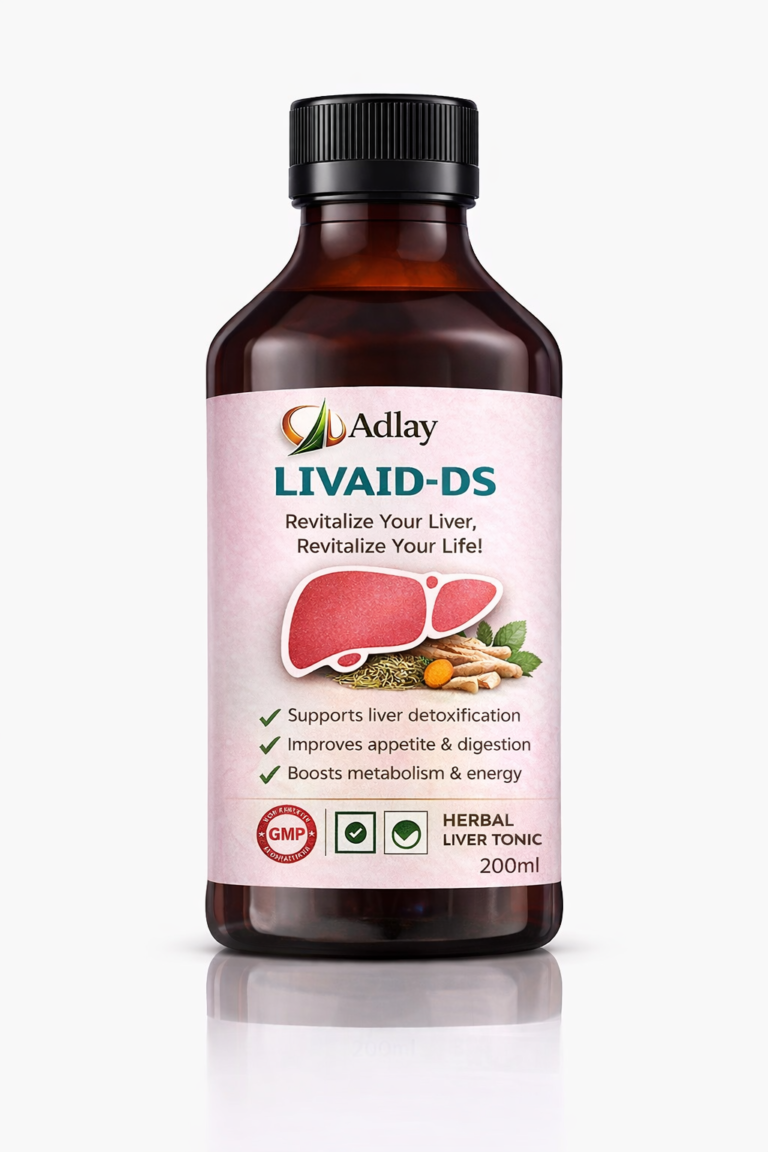

Adlay LIVAID-DS Herbal Liver Tonic


Admens | Her Hormonal Balance
₹222.00 – ₹592.00Price range: ₹222.00 through ₹592.00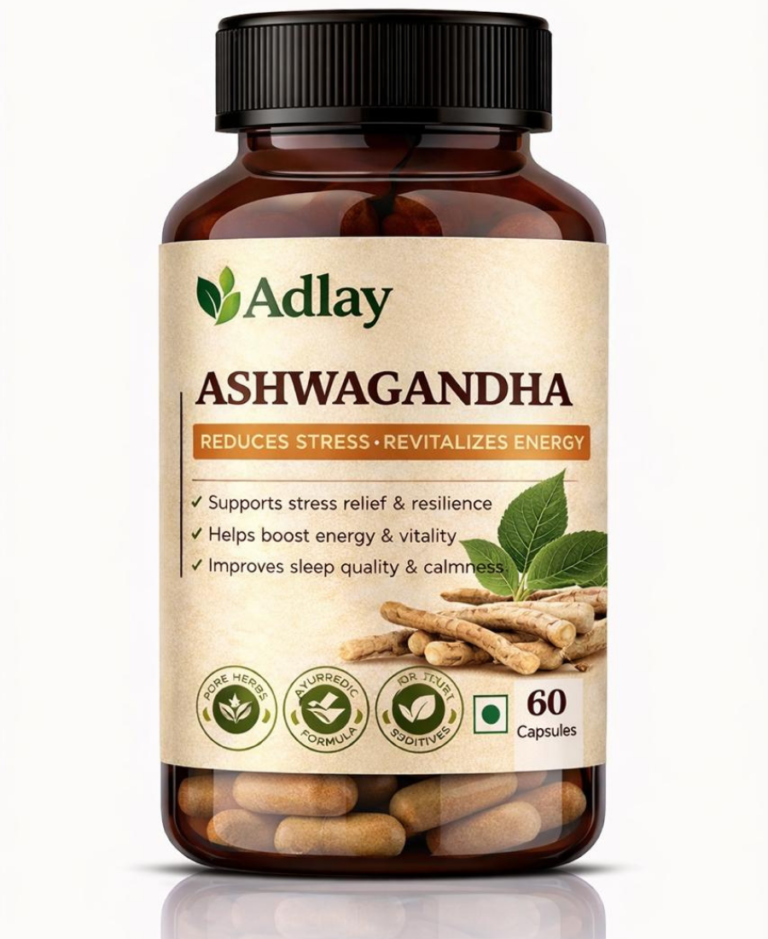

Ashwagandha | Stress Less, Live More
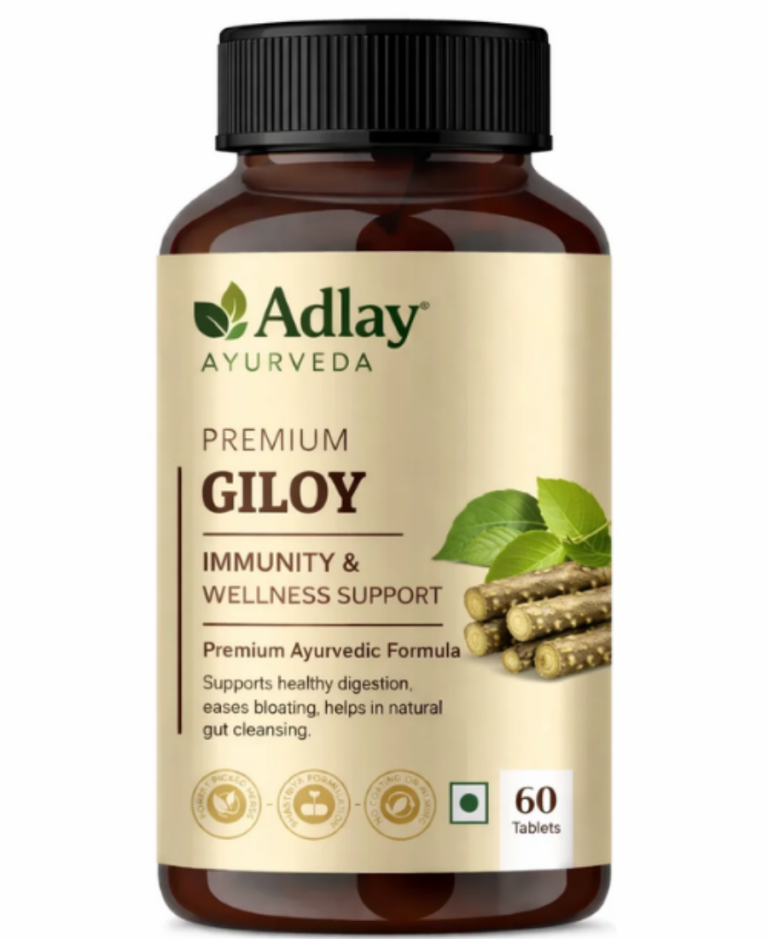

Giloy | Your Daily Immunity Shield


MemoJack | Calm Mind, Better Sleep
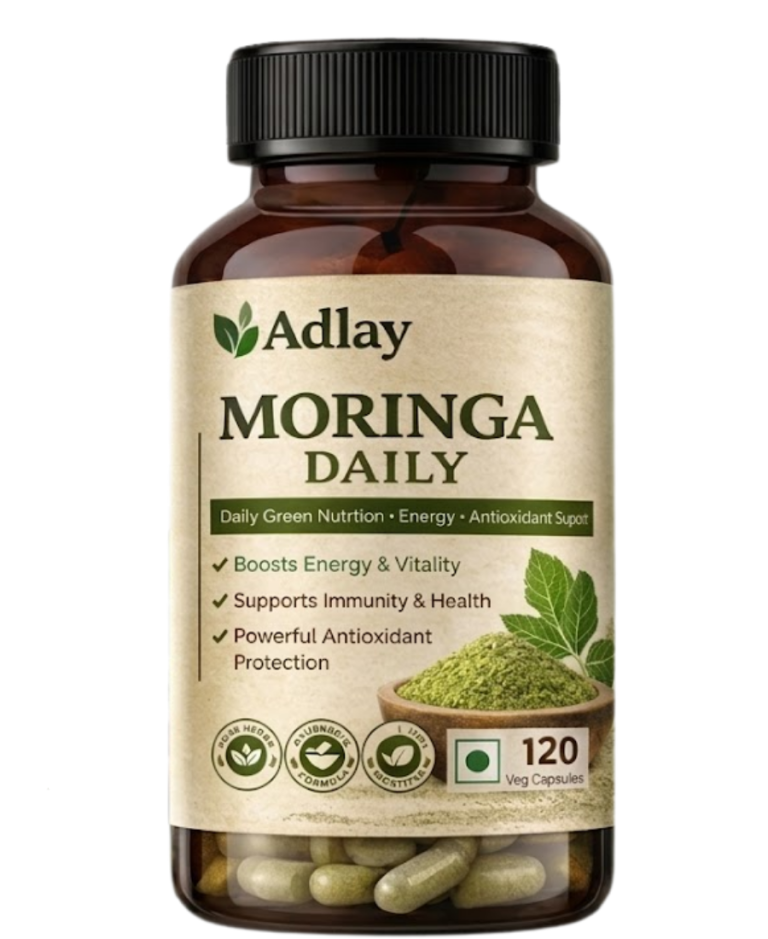

Moringa Daily | Nature’s Multivitamin
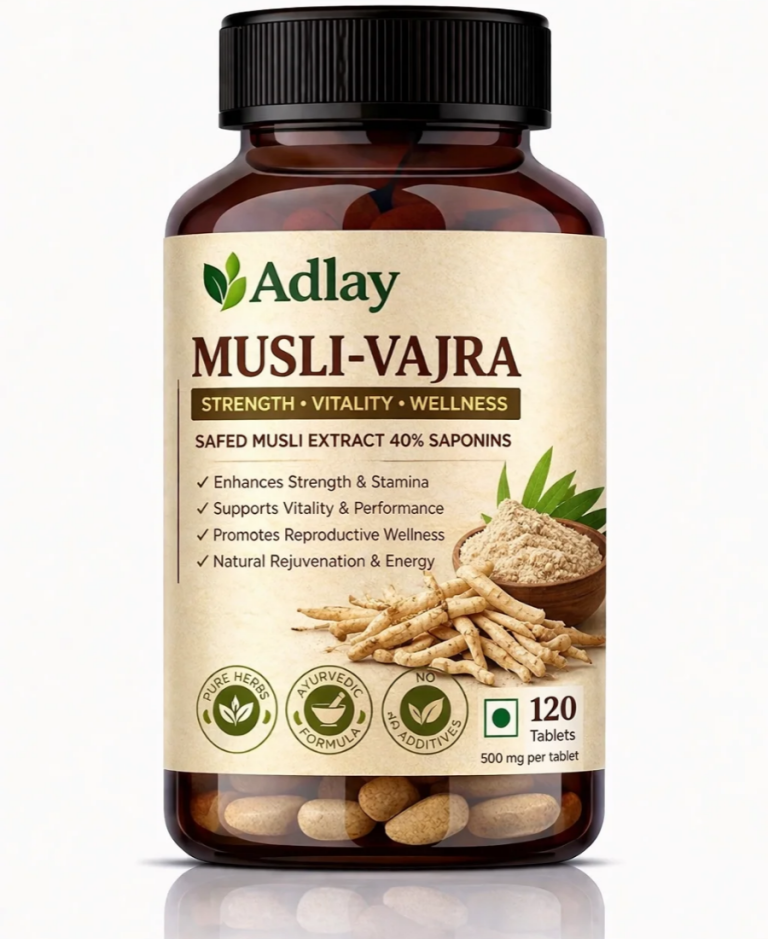
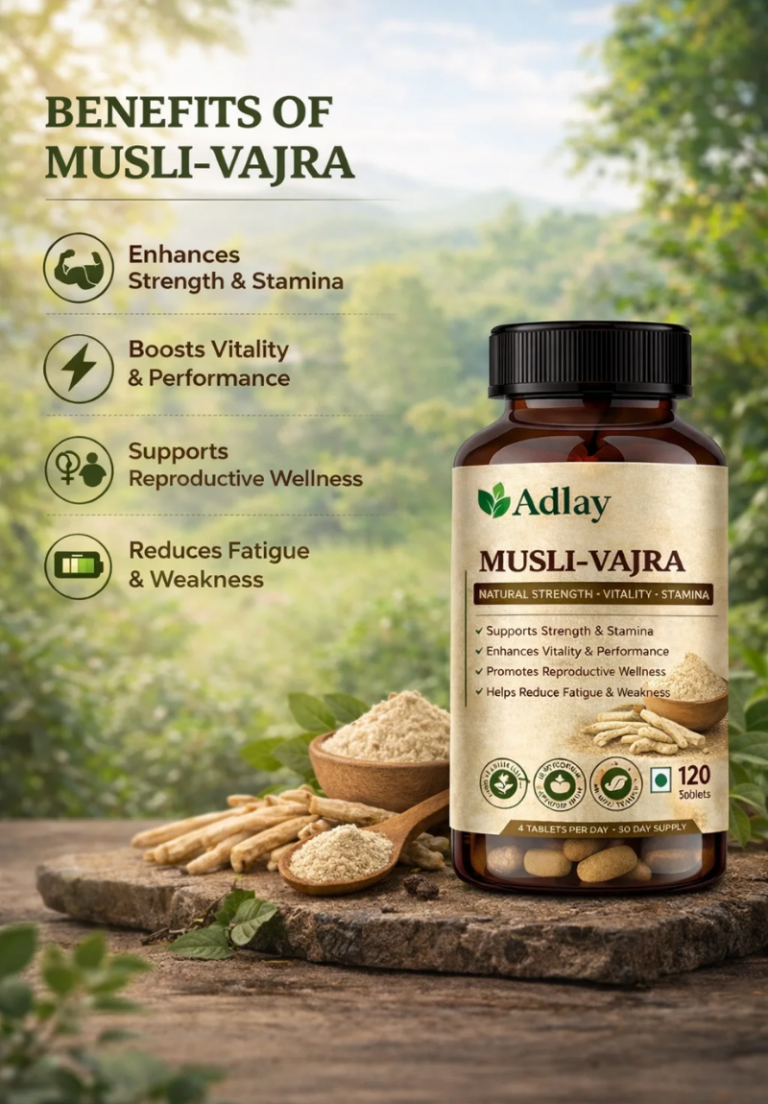
Musli Vajra | Strength & Stamina for Men
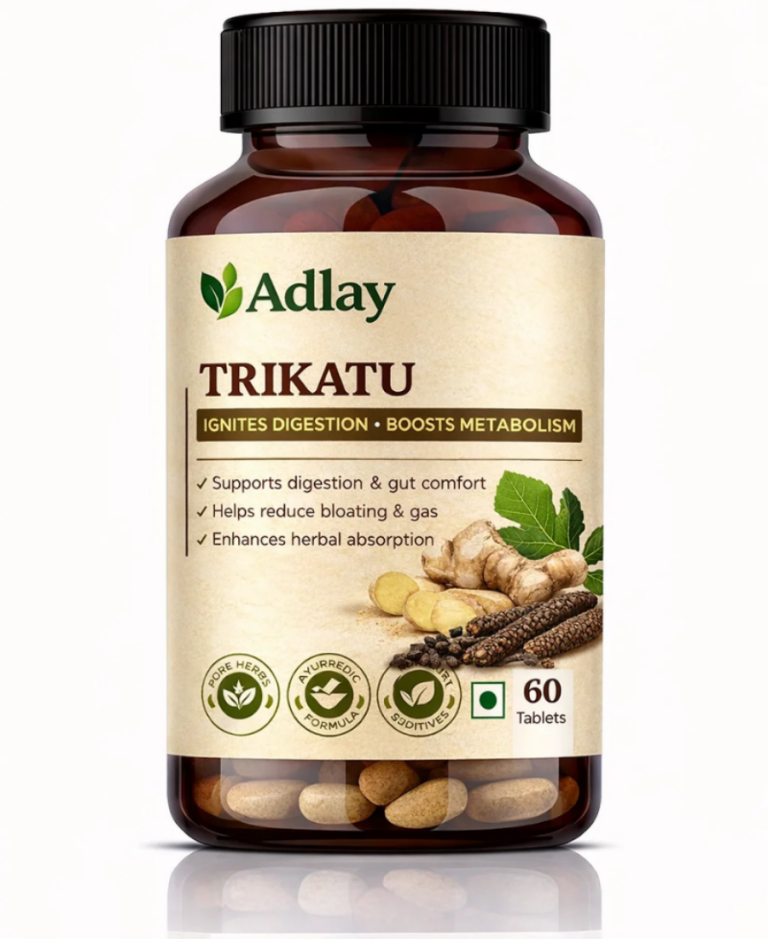
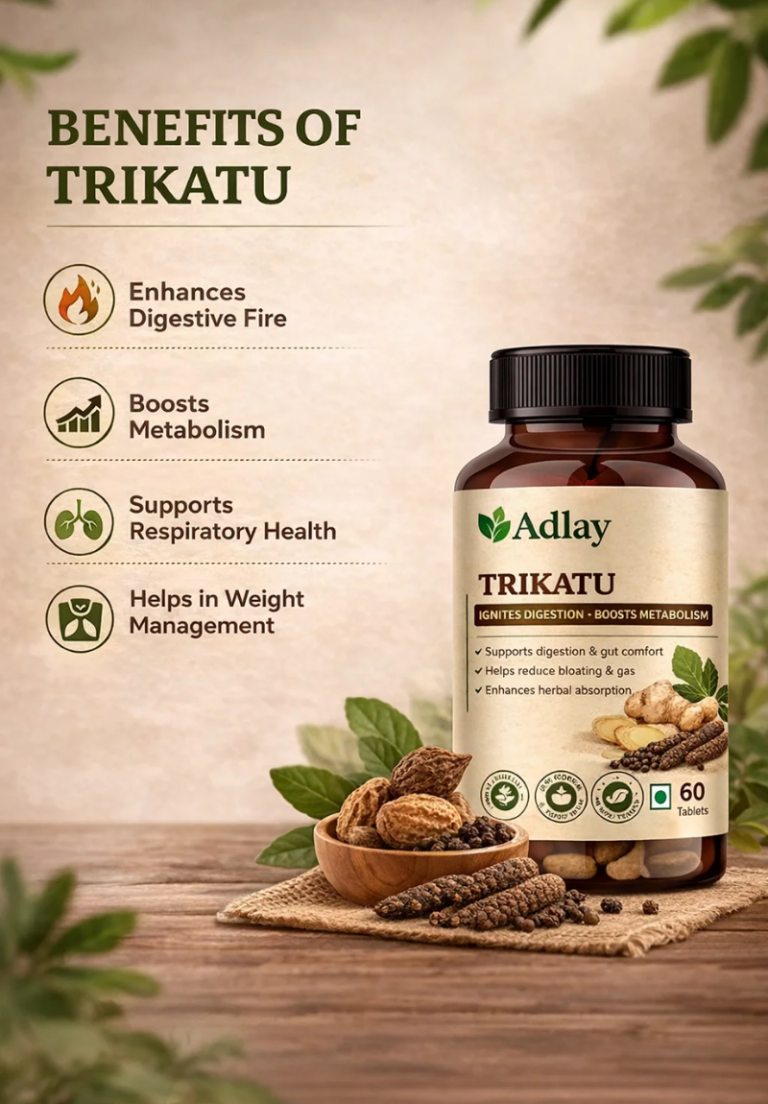
Trikatu | Ignite Your Digestive Fire
Ayurveda provides a holistic approach to health by focusing on balance, prevention, and natural healing. By following simple daily routines, using herbal formulations, and maintaining a balanced diet, individuals can improve overall wellness and lead a healthier lifestyle.
Supporting Digestive Health
Ayurvedic remedies help improve digestion, enhance nutrient absorption, and maintain gut balance. Natural ingredients work gently to support metabolism and promote long-term digestive wellness.
Boosting Natural Immunity
Herbal formulations strengthen the body’s defense system, helping it adapt to daily stress and environmental changes. Regular use supports immunity, increases energy levels, and promotes overall vitality.
Ayurveda focuses on maintaining balance within the body through natural healing and preventive care. By adopting healthy lifestyle practices, balanced nutrition, and herbal support, individuals can improve overall wellness, boost immunity, and maintain long-term health naturally.
There is a clock at our factory in Meerut. It doesn't look like a regular clock. It is circular, divided not into hours but into something older — the three doshas of Ayurveda, each governing a specific window of your day, twice over in a 24-hour cycle. When one of our team first pointed at it and asked what it was, our founder smiled and said simply:
"Once you understand this clock, you will never look at your day the same way again."
He was right. The Ayurvedic body clock — known as the Dinacharya dosha cycle in classical texts — is one of the most practically useful frameworks you will ever encounter. It explains why you feel foggy at 7am but razor-sharp at 11. Why noon hunger is real and 9pm hunger is not. Why 3pm feels like your brain hits a wall — every single day. And why the best sleep always comes before midnight.
None of this is coincidence. It was understood in India thousands of years before the term "circadian rhythm" was coined in a Western laboratory.
What Are the Three Doshas?
The Charaka Samhita — one of the two foundational texts of classical Ayurveda, written over 2,000 years ago — describes three fundamental biological energies that govern all physiological and psychological function:
Vata (air + space) governs all movement — nerve impulses, circulation, breathing, thought. In balance: creativity, alertness, flow. Out of balance: anxiety, insomnia, scattered thinking.
Pitta (fire + water) governs transformation — digestion, metabolism, intellect. In balance: sharp focus, strong digestion. Out of balance: irritability, inflammation, burnout.
Kapha (earth + water) governs structure — immunity, endurance, stability. In balance: calm strength, vitality. Out of balance: lethargy, congestion, weight gain.
What most people learn is that each person has a dominant dosha constitution. What fewer people know is that the doshas also govern time — rotating through each day in a precise, predictable cycle described in the Ashtanga Hridayam's chapter on Dinacharya (daily routine). Your body has been running on this clock since birth.
The Ayurvedic Dosha Clock — Interactive
The Six Windows — What Ayurveda Prescribes and Why
Kapha energy — heavy, slow, stable — governs the post-dawn hours. The Ashtanga Hridayam instructs waking before sunrise to avoid accumulating excess Kapha. If you sleep until 8 or 9am you bathe in this heavy energy and carry it all day. This is not a metaphor — it matches modern cortisol science exactly. Rise before 6am and you catch the cortisol peak; sleep past it and you miss it, leaving you groggy for hours.
Ideal for
- Exercise — the best biological window for movement
- Warm water with ginger or lemon to kindle agni (digestive fire)
- Light, easy breakfast — never skip, never overload
- Physical tasks — cleaning, commuting, chores
Avoid
- Sleeping past 6am — you'll feel heavier, not rested
- Cold or heavy breakfast foods
- Beginning the day lying in bed with your phone
Pitta fire peaks at noon — governing both the digestion of food and the digestion of ideas. The Charaka Samhita prescribes the largest, most nutritious meal at midday when agni (digestive fire) is at its strongest. Eating the same meal at 8pm causes an entirely different metabolic response — a fact modern chrono-nutrition research confirmed only in the last decade. Your cognitive sharpness also peaks here. This is your power window: guard it.
Ideal for
- Deep, focused work — your most important task of the day
- Your largest, most nourishing meal at noon
- Cooked, warm foods — digestive capacity is at its peak
- Strategic decisions, problem-solving, analysis
Avoid
- Skipping or minimising lunch
- Wasting this window on email and admin
- Heated arguments — Pitta fire amplifies conflict
The "3pm slump" is not a willpower failure. It is Vata — air and movement — rising in the afternoon. Analytical, linear thinking drops; creative, associative thinking rises. The best brainstorming sessions naturally happen at 4pm for this reason. The body wants a warm, light snack and gentle movement — not caffeine, which amplifies Vata's tendency toward anxiety and scattered attention.
Ideal for
- Creative work — brainstorming, writing, ideation
- Communication — calls, collaborative meetings
- A warm, small snack — something grounding
- A 15-minute walk in natural light
Avoid
- Major irreversible decisions — Vata scatters judgment
- Excessive caffeine — it worsens Vata imbalance
- Cold, dry snacks or skipping food entirely
As the sun sets, Kapha returns — grounding, heavy, and sleep-promoting. The Dinacharya guidelines in the Ashtanga Hridayam are clear: eat lightly before sunset, be still by 9pm, sleep by 10pm. Every hour past 10pm that you remain awake you are pushing against a powerful biological tide. People who sleep by 10pm and wake rested are not lucky — they are aligned with Kapha's evening dominance.
Ideal for
- Light dinner — easiest-to-digest meal of the day, before 7:30pm
- Family time, gentle conversation, connection
- A short walk after dinner (15–20 minutes)
- Warm Ashwagandha milk as a natural sleep support
Avoid
- Heavy dinner after 8pm — digestive fire is at its weakest
- Stimulating screens after 9pm
- Starting work projects late in the evening
This is the most consequential — and most violated — window on the entire clock. Pitta's fire serves two entirely different functions depending on whether you are asleep or awake. Asleep: it powers the body's deepest repair work — liver detoxification, cellular regeneration, immune processing, hormone regulation. Awake: it creates the notorious "second wind" — sudden alertness, hunger, and mental activity at 11pm. Night owls who catch this window awake are robbing their liver and immune system of their nightly repair cycle.
If asleep (ideal)
- Peak liver detoxification — the yakrit (liver) is a Pitta organ
- Cellular repair and immune memory consolidation
- Growth hormone and melatonin are both active
If awake (consequences)
- Mental restlessness and late-night hunger
- Chronic disruption leads to inflammation and hormonal imbalance
- Long-term: premature ageing, weakened immunity
The pre-dawn period — especially the 90 minutes before sunrise known as Brahma Muhurta — is described in both the Charaka Samhita and the Sushruta Samhita as the ideal time for waking, spiritual practice, and meditation. Vata energy makes the mind unusually light, receptive, and clear at this hour — closest to what Ayurveda calls Sattva (pure awareness). Every major contemplative tradition — Vedic, Sufi, Christian monastic — independently arrived at this same prescription. If you wake naturally at 4–5am feeling alert, you have not developed insomnia. Your body is working perfectly.
If awake at this hour
- Meditation — the mind is at its most receptive
- Pranayama (breathing exercises) and gentle yoga
- Journaling, reading, quiet reflection
Vata imbalance signal
- Waking at 3–4am with anxiety or racing thoughts signals Vata excess
- Address with: warmth, consistent routine, grounding foods, and adaptogenic support — consult an Ayurvedic practitioner for personalised guidance
Your Ayurvedic Day — A Template to Screenshot
This is not a rigid prescription. It is an alignment guide — a starting point to map your own rhythm against the clock. The closer your actual day is to this pattern, the more effortless your energy, digestion, and sleep will feel.
Is Your Clock Broken? Three Common Complaints — Diagnosed
These are the three most common daily struggles your body uses to signal that your Dinacharya (daily routine) is misaligned with the dosha clock.
Quick Reference — The Full Clock
| Time | Dosha | Quality | Best for | Avoid |
|---|---|---|---|---|
| 6–10am | Kapha | Heavy, slow | Exercise, light breakfast, physical tasks | Sleeping in, heavy food |
| 10am–2pm | Pitta | Sharp, hot | Deep work, largest meal, key decisions | Skipping lunch, wasting on email |
| 2–6pm | Vata | Scattered, creative | Brainstorming, calls, light snack | Major decisions, excess caffeine |
| 6–10pm | Kapha | Heavy, grounding | Light dinner, family time, winding down | Heavy meal, stimulating screens |
| 10pm–2am | Pitta | Fiery (repair) | Deep sleep — liver detox and cell repair | Being awake — depletes repair cycle |
| 2–6am | Vata | Light, clear | Meditation, Brahma Muhurta practices | Forcing heavy sleep if naturally awake |
A Note From the Factory
We tell you honestly — as a company that makes Ayurvedic supplements — that no herb or tablet can fully compensate for living against your biological clock. Ashwagandha will reduce your cortisol, but if you are chronically sleep-deprived and eating dinner at 10pm, your cortisol will rebuild. Triphala supports your digestion, but if your main meal is at 9pm when digestive fire is at its lowest, Triphala has an uphill battle.
"The clock at our factory isn't a decoration. It's a reminder that health isn't found in a bottle — it's found in rhythm. The herbs just help you get there faster."
Modern chronobiology has now confirmed virtually every prescription in the Dinacharya framework. The liver's peak detoxification window (10pm–2am) matches Pitta-night exactly. The circadian cognitive performance peak (late morning) matches Pitta-day. The post-lunch energy dip (2–3pm) corresponds precisely to Vata-afternoon onset. The chrono-nutrition finding that the same meal has different metabolic outcomes at noon versus 8pm is described in Charaka Samhita Sutrasthana in different language, but identical principle.
5,000 years of observation and 21st-century science arrived at the same clock through entirely different paths. That is not coincidence. That is truth.
Ready to Support Your Dosha Rhythm?
Our formulations are designed to work with your body's natural cycle. Ashwagandha for Vata's stress and sleep. Triphala for Pitta's digestion. Giloy for Kapha's immunity.
Explore Adlay Products →Reviewed by a qualified Ayurvedic physician before publication.
