

Blog
Why Your Digestion Feels Broken After 35 — And What Ayurveda Does About It

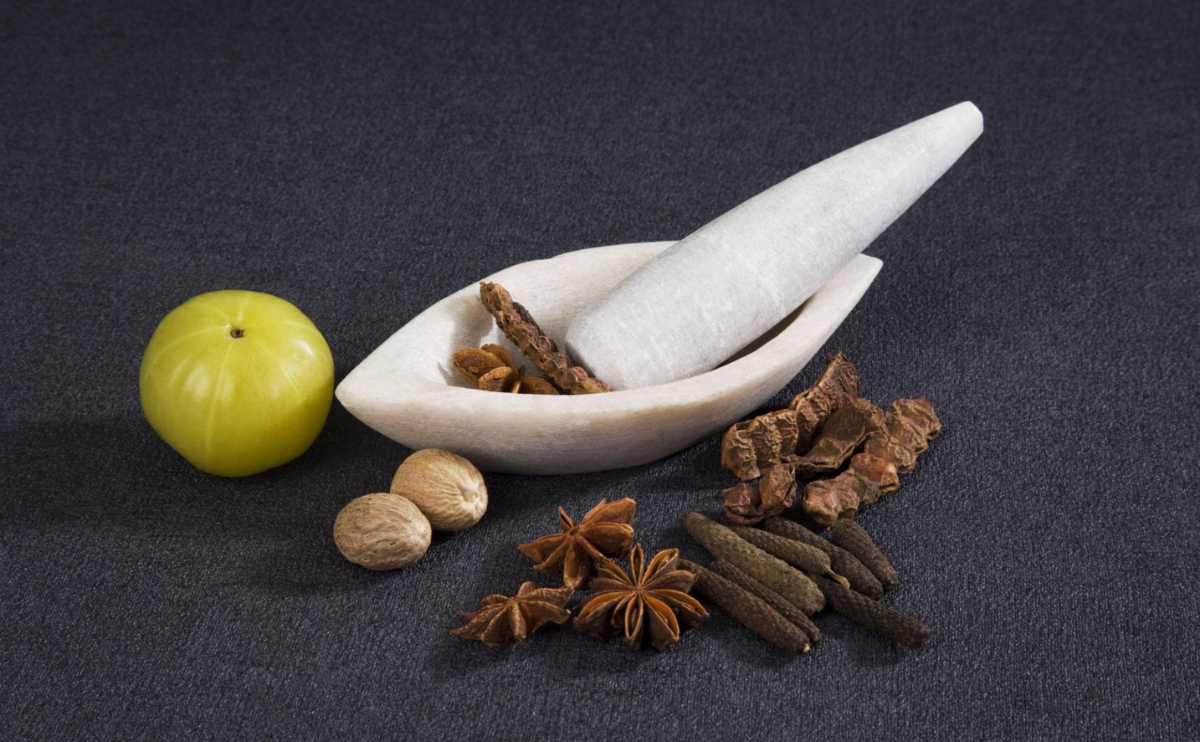
Ayurveda promotes a natural approach to maintaining health by focusing on balance, prevention, and holistic care. Through the use of herbal formulations, proper nutrition, and healthy lifestyle practices, it supports the body’s natural ability to heal and stay strong. This approach helps improve digestion, boost immunity, and enhance overall vitality.
Regular use of Ayurvedic remedies can help reduce stress, increase energy levels, and maintain long-term wellness. By aligning daily habits with natural rhythms, individuals can experience better physical and mental balance, leading to a healthier and more fulfilling life.
Enhancing Natural Vitality

Ayurveda emphasizes a balanced lifestyle that nurtures both the body and mind. By incorporating natural herbs, proper nutrition, and healthy daily routines, it helps maintain internal harmony and supports overall well-being. This holistic approach strengthens the body’s natural defense system and improves long-term health.
Adopting Ayurvedic practices can lead to better energy levels, improved digestion, and reduced stress. With consistent use of herbal solutions and mindful living, individuals can achieve a more balanced and healthier life while preventing common lifestyle-related issues.
Supporting Everyday Wellness

Ayurveda is built on the principle of maintaining harmony within the body through natural methods and preventive care. By understanding individual body types and adopting suitable lifestyle practices, it becomes easier to improve digestion, strengthen immunity, and support overall health. This approach helps the body function efficiently and stay balanced in the long run.
Incorporating Ayurvedic herbs and daily wellness routines can significantly enhance physical and mental well-being. Natural formulations work gently to restore balance, reduce stress, and improve vitality. With consistent care and mindful habits, Ayurveda offers a sustainable path to achieving long-term health and a better quality of life.
You ate dal-chawal for lunch and felt fine for 35 years. Now it makes you bloated. You used to have chai on an empty stomach every morning without consequence. Now it gives you acidity. The biryani at a wedding that never bothered you once now means an uncomfortable evening and a sluggish next morning.
Nothing dramatic has changed. Your diet is roughly the same. Your lifestyle hasn't shifted dramatically. And yet your digestive system has clearly issued a quiet but firm notice: the old rules no longer apply.
If you are in your late 30s or 40s and recognising this description — this article is for you. The good news is that what you are experiencing is not a mystery, not a disease, and not something you simply have to manage with antacids for the rest of your life. It is a well-understood shift in your body's digestive capacity, described with remarkable precision in Ayurvedic texts written over 2,000 years ago — and it responds well to the right interventions.
The Root Cause — What Ayurveda Understood That Modern Medicine Often Misses
Modern gastroenterology is excellent at identifying and treating serious digestive diseases — ulcers, IBS, GERD, Crohn's. But it has relatively little to offer the person who is not sick in a diagnosable sense, but whose digestion simply doesn't work as well as it once did. The standard advice — avoid spicy food, reduce stress, take a probiotic — addresses symptoms without addressing the underlying change that has occurred.
Ayurveda addresses exactly this gap. The foundational concept is Agni — digestive fire. The Charaka Samhita states, without ambiguity, that "Agni eva moolam arogya" — Agni is the root of health. Every tissue in the body is built from the nutrients that Agni extracts from food. When Agni is strong, food is fully digested, nutrients are absorbed efficiently, and waste is cleared promptly. When Agni weakens, partially digested food accumulates as Ama — a toxic residue that the Charaka Samhita identifies as the root cause of most chronic disease.
The white coating on the tongue that many people over 35 notice in the morning? That is Ama made visible — the classical Ayurvedic sign of accumulated digestive residue. It is not a minor inconvenience. It is your body's earliest warning signal.
"Ayurveda does not treat the symptom of poor digestion. It restores the fire that was always meant to be there — and lets the body do the rest."
The Four Types of Agni — Which One Are You?
The Charaka Samhita describes four distinct states of Agni — digestive fire. Understanding which type you are is the key to choosing the right intervention. The same remedy does not work for all four, and this is precisely where generic dietary advice consistently fails.
Why Agni Weakens After 35 — The Honest Explanation
Agni doesn't weaken because of age alone. Age is a factor — the Ashtanga Hridayam describes a natural reduction in Pitta-fire as the body transitions from the Pitta-dominant productive years into the Vata-dominant second half of life. But for most Indians over 35, the accelerants of Agni depletion are entirely lifestyle-driven — and entirely addressable:
Eating at the wrong times. The largest meal at 9pm, when digestive fire is at its weakest. Skipping breakfast. Eating lunch at 3pm. The Charaka Samhita prescribes the largest meal at noon, when Agni peaks. Doing the opposite, consistently, over years, progressively depletes digestive capacity.
Chronic stress. The gut and the brain share the same nervous system. Sustained cortisol elevation — the physiological signature of chronic stress — directly suppresses digestive enzyme production, slows gut motility, and alters the gut microbiome. The Indian professional over 35 eating lunch while reading emails is a clinical case study in how not to support Agni.
Accumulated Ama. Every partially digested meal adds a layer of Ama to the body's channels. Over years, this accumulation physically impairs digestive function — creating a self-reinforcing cycle where poor digestion produces Ama, and Ama further impairs digestion.
Irregular eating patterns. Vishama Agni — the irregular, unpredictable fire — is almost entirely caused by irregular meal timings. The gut runs on a circadian rhythm. Disrupt that rhythm consistently and Agni becomes inconsistent in response.
The Four Herbs That Address This — And How
The classical Ayurvedic approach to digestive restoration works in sequence: first clear the Ama, then kindle the Agni, then support the liver and metabolic function that sustains it, and finally maintain the balance that has been restored. The four herbs below correspond to each step of that sequence.
Trikatu — "three pungents" — is the most direct classical prescription for weak or irregular Agni. The Charaka Samhita classifies it as both a Deepana (Agni kindler) and a Pachana (Ama digester) — meaning it simultaneously relights the digestive fire and begins to break down the accumulated waste that has been impairing it. These two actions together make it uniquely effective at the root level.
The mechanism is now well understood. Piperine — the active compound in both black pepper and long pepper — stimulates the secretion of digestive enzymes from the pancreas and increases gastric acid production. Gingerols and shogaols from ginger accelerate gastric emptying, reduce nausea, and have a direct pro-motility effect on the gut — meaning food moves through more efficiently, reducing the fermentation and gas that cause bloating.
Piperine also dramatically enhances the bioavailability of other nutrients and herbs — a property so significant that it is now used in pharmaceutical formulations to increase drug absorption. When you take Trikatu alongside other Ayurvedic herbs, you are not just improving digestion — you are improving the absorption of everything else you take.
Best for this Agni type
- Vishama Agni — irregular, gassy, unpredictable
- Manda Agni — sluggish, heavy, slow metabolism
- Post-Ama accumulation in any type
- Use with caution in Tikshna Agni (excess acid)
How to take it
- 250–500mg before meals, twice daily
- With warm water — never cold
- Before meals, not after, for maximum Agni-kindling effect
- Reduce dose if acidity or heartburn occurs
- Results typically felt within 1–2 weeks
Classical text reference The Charaka Samhita (Sutrasthana, Chapter 26) lists Trikatu among the principal Deepaniya (Agni-kindling) herbs. The Ashtanga Hridayam prescribes it specifically for Mandagni and Vishama Agni conditions with Ama involvement.
If Trikatu kindles the fire, Triphala clears what the fire left behind. It is perhaps the most important and most versatile formulation in the entire Ayurvedic pharmacopoeia — three fruits, each pacifying a different dosha, combined into what the Ashtanga Hridayam calls a Tridoshic Rasayana: a formula that simultaneously addresses all three doshic imbalances, safe for any constitution, suitable for lifelong use.
Each fruit has a distinct and complementary action. Haritaki (Terminalia chebula) is the classical laxative and colon tonic — it improves gut motility, clears accumulated waste, and strengthens the intestinal wall. Bibhitaki (Terminalia bellirica) addresses respiratory and mucosal channels, reducing excess Kapha and improving metabolic efficiency. Amalaki (Emblica officinalis — Indian Gooseberry) is the most powerful antioxidant in the classical Ayurvedic pharmacopoeia, with one of the highest Vitamin C concentrations of any plant on earth — it cools Pitta, repairs gut lining, and supports liver function.
Together, they do something no single herb achieves: they gently but reliably regulate the entire digestive tract from stomach to colon, reduce Ama accumulation, improve absorption, and provide systemic antioxidant protection — all without the dependency or side effects associated with commercial laxatives.
Best for this Agni type
- All four Agni types — it is truly Tridoshic
- Particularly powerful for Manda Agni with constipation
- Tikshna Agni benefits from Amalaki's cooling effect
- Vishama Agni benefits from Haritaki's regulatory effect
How to take it
- 500mg–1g before bed with warm water
- Night dosing aligns with the gut's natural cleansing cycle
- Start with a lower dose and increase gradually
- Safe for long-term daily use — a true Rasayana
- Expect comfortable, regular bowel movements within 1–2 weeks
The white tongue test: If you have a white coating on your tongue every morning, it is a sign of Ama accumulation. Take Triphala at night for 30 days and then check again. In most cases, the coating reduces significantly — a visible, measurable sign that the gut is clearing. This is one of the most reliable self-monitoring tools in classical Ayurvedic practice.
Digestion is not just a stomach-and-intestine affair. The liver is the central metabolic organ — processing everything absorbed from the gut, producing bile for fat digestion, and performing hundreds of biochemical transformations every hour. The Charaka Samhita classifies the liver (Yakrit) as a Pitta organ — the seat of transformation, heat, and metabolic intelligence. When Agni weakens, the liver is almost always involved.
Bhumi Amla (Phyllanthus niruri) is one of Ayurveda's most respected hepatoprotective herbs — traditionally prescribed for liver conditions and metabolic imbalance. Modern research has confirmed significant liver-protective effects, with studies demonstrating its ability to reduce liver enzyme levels and support hepatocyte (liver cell) function. Punarnava (Boerhavia diffusa) — whose name translates as "that which rejuvenates" — supports kidney and liver function, reduces inflammation, and has a gentle diuretic effect that helps the body clear accumulated metabolic waste.
For the person over 35 whose digestion has slowed, whose metabolism feels sluggish, and who notices fatigue and heaviness that doesn't resolve with rest — liver support is often the missing piece of the digestive restoration picture. You can kindle Agni with Trikatu and clear the gut with Triphala, but if the liver is congested and under-functioning, the system cannot complete its work.
Primary digestive benefits
- Supports liver detoxification and bile production
- Improves fat digestion and cholesterol metabolism
- Reduces post-meal heaviness linked to liver sluggishness
- Clears metabolic Ama from deeper tissue channels
- Anti-inflammatory effect on the entire digestive tract
How to take it
- Typically as part of a compound liver formulation
- Syrup form — 10ml twice daily before meals
- Allow 4–6 weeks for liver function improvement
- Best taken consistently, not intermittently
- Consult physician if on prescription liver medication
Giloy is most commonly discussed as an immunity herb — and it is genuinely excellent for that purpose. But its role in digestive health is less widely known and equally important. The Charaka Samhita classifies Giloy as a Tridoshahara — a herb that pacifies all three doshas — and specifically lists it among the herbs that support the gut's immune function and reduce systemic inflammation driven by Ama.
Modern research has identified Giloy's key mechanisms as immunomodulation and anti-inflammation — precisely the tools needed for the gut of the over-35 Indian whose chronic stress and Ama accumulation have created a state of persistent low-grade intestinal inflammation. This inflammation is what drives many of the digestive symptoms that don't fit neatly into a single diagnosis: the vague discomfort, the unpredictable reactions to foods that were previously fine, the sense that the gut has become reactive and fragile.
Giloy addresses this at the immunological root — calming gut reactivity, reducing inflammatory signalling in the intestinal wall, and helping the gut microbiome return to a balanced, resilient state. Think of Trikatu as the fire-lighter, Triphala as the channel-cleaner, Livaid as the liver-restorer, and Giloy as the gut-stabiliser that maintains the peace once the other three have done their work.
Primary digestive benefits
- Reduces gut inflammation and intestinal reactivity
- Supports a balanced, resilient gut microbiome
- Metabolises deep-seated Ama in tissue channels
- Strengthens gut immune function
- Reduces food sensitivities that develop in the 30s and 40s
How to take it
- 500mg extract or 10–20ml juice daily
- Morning dosing on an empty stomach is classically preferred
- Consistent daily use over 4–8 weeks for gut effects
- Well tolerated — safe for long-term use
- Avoid in autoimmune conditions without physician guidance
The Digestive Daily Routine — A Practical Template
No herb works in isolation from daily rhythm. These simple timing adjustments, drawn from the Dinacharya guidelines of the Ashtanga Hridayam, will amplify the effect of every herb above — and in many cases produce meaningful improvement on their own.
Quick Reference — The Full Picture
| Herb | Primary action | Best Agni type | When to take | Adlay product |
|---|---|---|---|---|
| Trikatu | Kindles Agni, digests Ama | Vishama, Manda | Before meals | Trikatu Tablets |
| Triphala | Clears channels, regulates gut | All types — Tridoshic | Before bed | Triphala Tablets |
| Bhumi Amla + Punarnava | Liver support, bile production | Manda, Tikshna | Before meals (syrup) | Livaid Syrup |
| Giloy | Gut immunity, reduces reactivity | All types, especially Vishama | Morning, empty stomach | Giloy Tablets |
The honest truth about antacids: Antacids suppress gastric acid — the very substance that Agni requires to function. Used occasionally for acute relief, they are acceptable. Used chronically as a substitute for addressing Agni imbalance, they make the underlying problem worse over time by progressively weakening the digestive fire they are silencing. Ayurveda does not offer a substitute for antacids. It offers a reason to not need them.
Ready to Restore Your Digestive Fire?
Start with Trikatu before meals and Triphala at night. Add Livaid if you feel the heaviness is liver-related. Give it 30 days consistently — and watch the white tongue slowly disappear.
Explore Adlay Digestive Products →Reviewed by a qualified Ayurvedic physician before publication.
