
Blog
Ashwagandha — What It Actually Does, Who Should Take It, and Who Shouldn’t

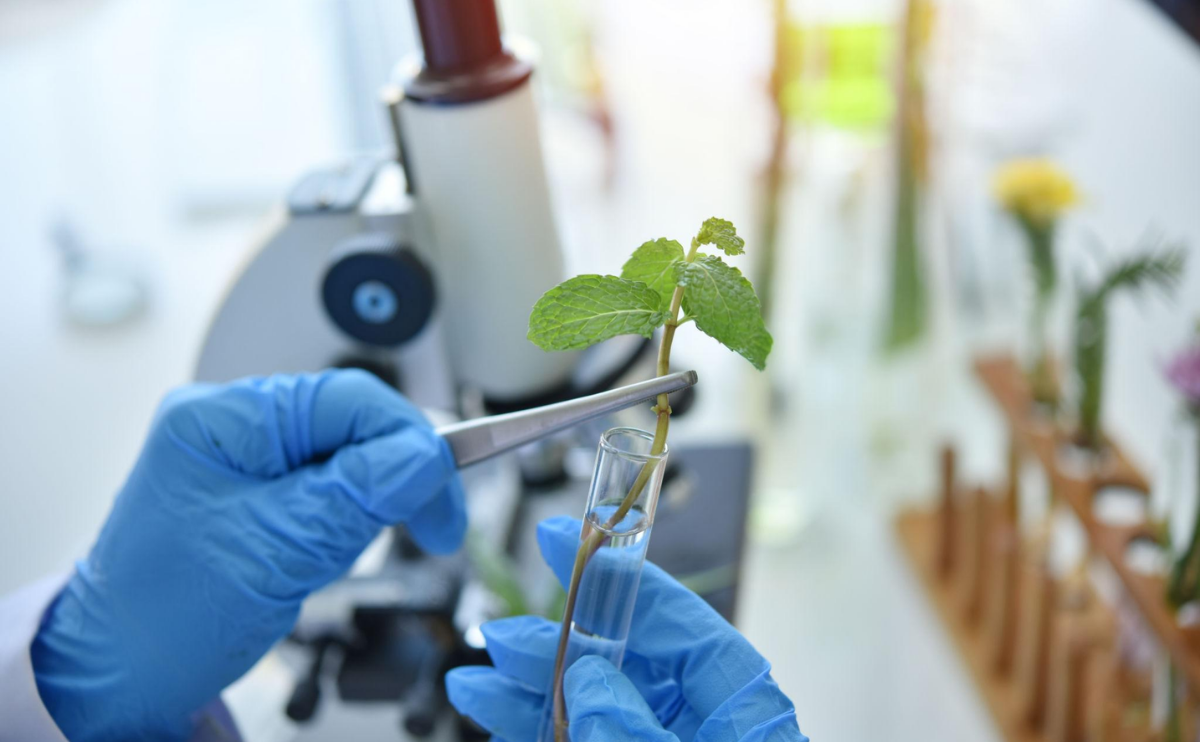
Ayurveda focuses on achieving balance within the body through natural healing methods and preventive care. By understanding individual body types and maintaining proper lifestyle habits, it becomes easier to improve digestion, boost immunity, and enhance overall well-being. This holistic approach helps the body stay strong, active, and resilient.
Modern lifestyles often create imbalances that affect both physical and mental health. Ayurvedic practices such as herbal supplementation, balanced nutrition, and daily wellness routines help restore this balance naturally. These time-tested methods support long-term health without relying on harsh treatments.
Adopting Ayurvedic principles encourages mindful living and sustainable health practices. With regular use of natural remedies and healthy habits, individuals can experience improved vitality, better mental clarity, and a more balanced lifestyle.
True wellness is achieved when the body, mind, and lifestyle are in harmony, supported by the power of nature.A
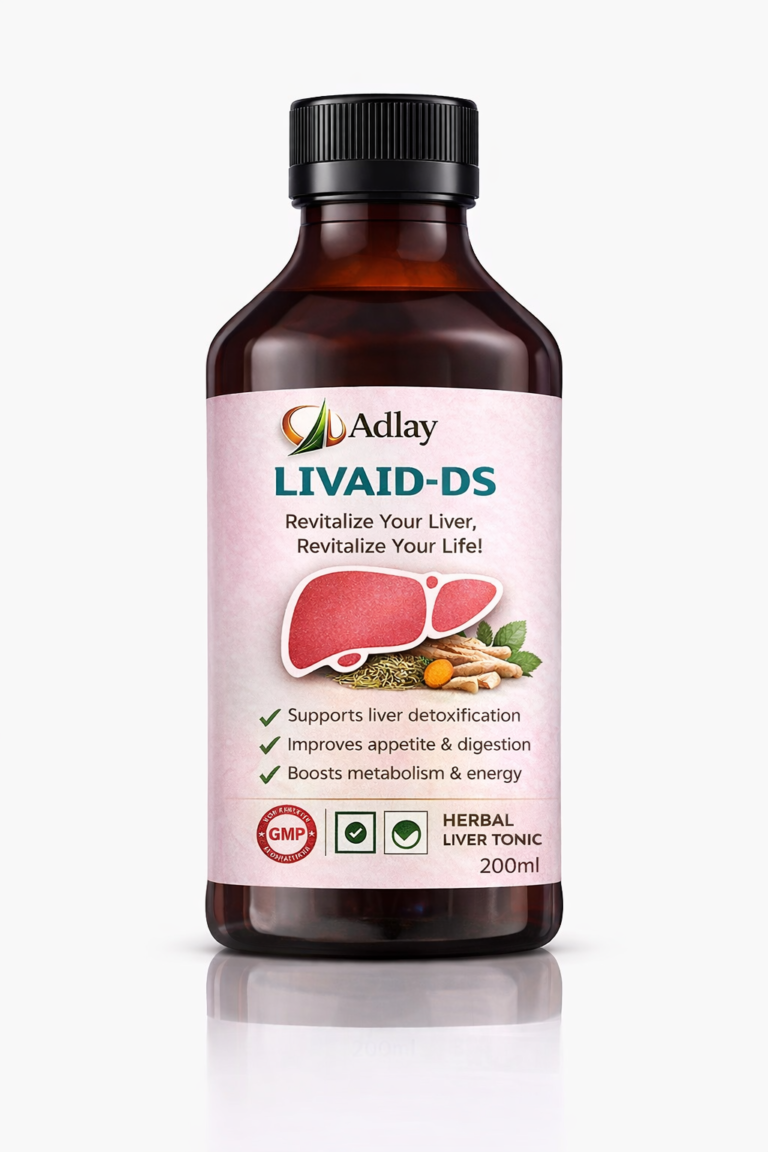
Adlay LIVAID-DS Herbal Liver Tonic
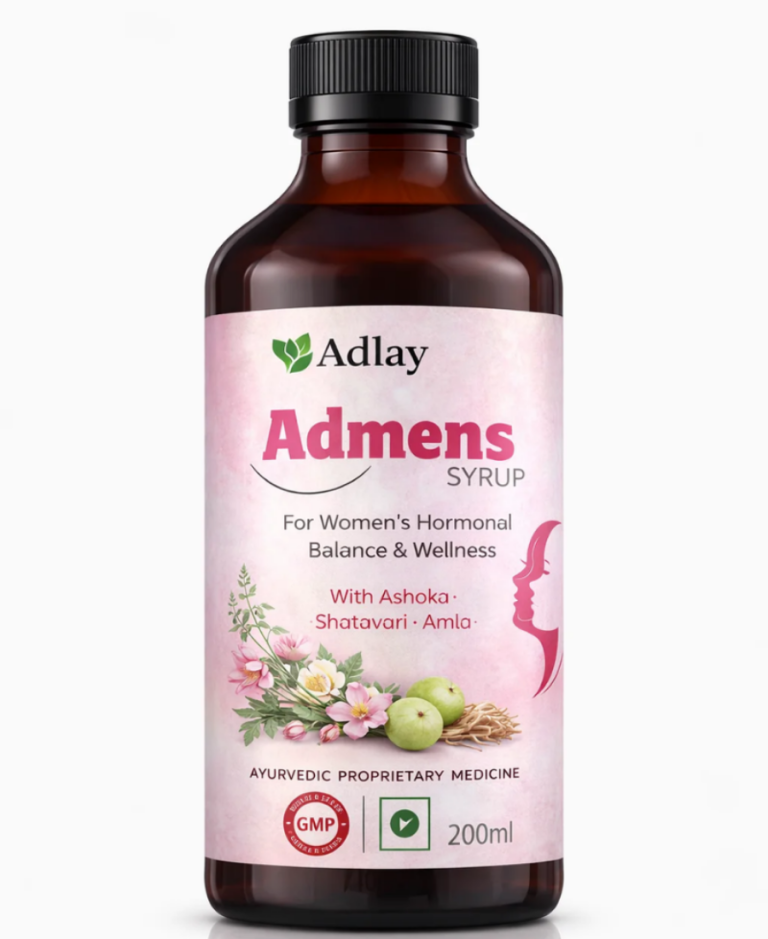
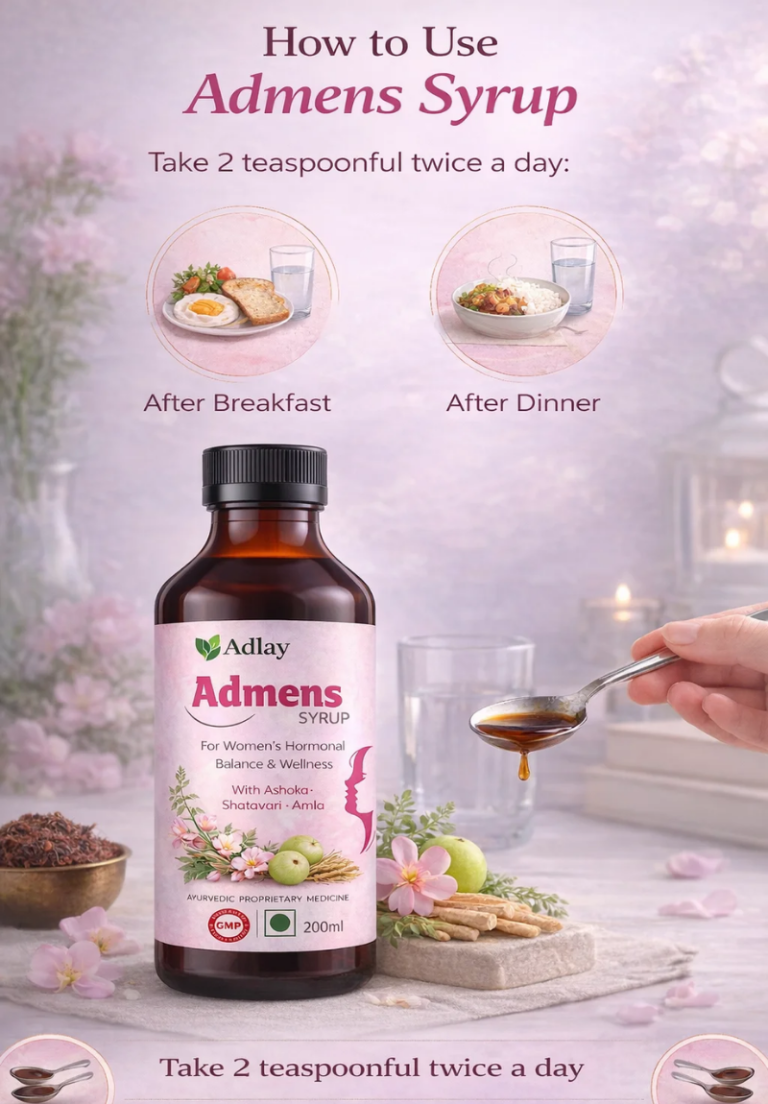
Admens | Her Hormonal Balance
₹222.00 – ₹592.00Price range: ₹222.00 through ₹592.00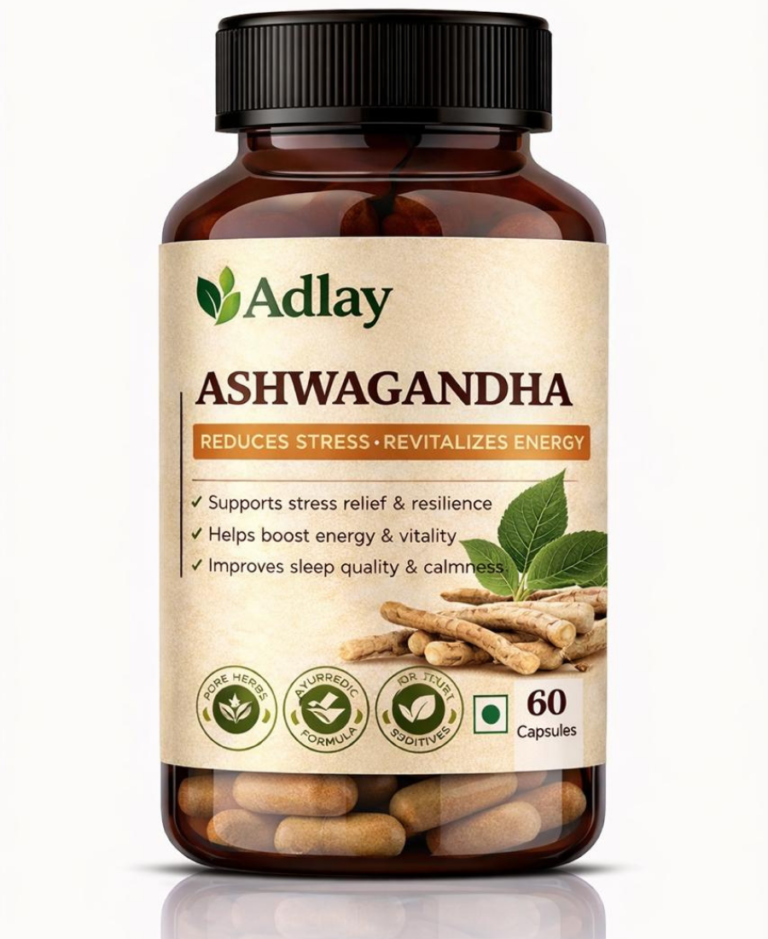
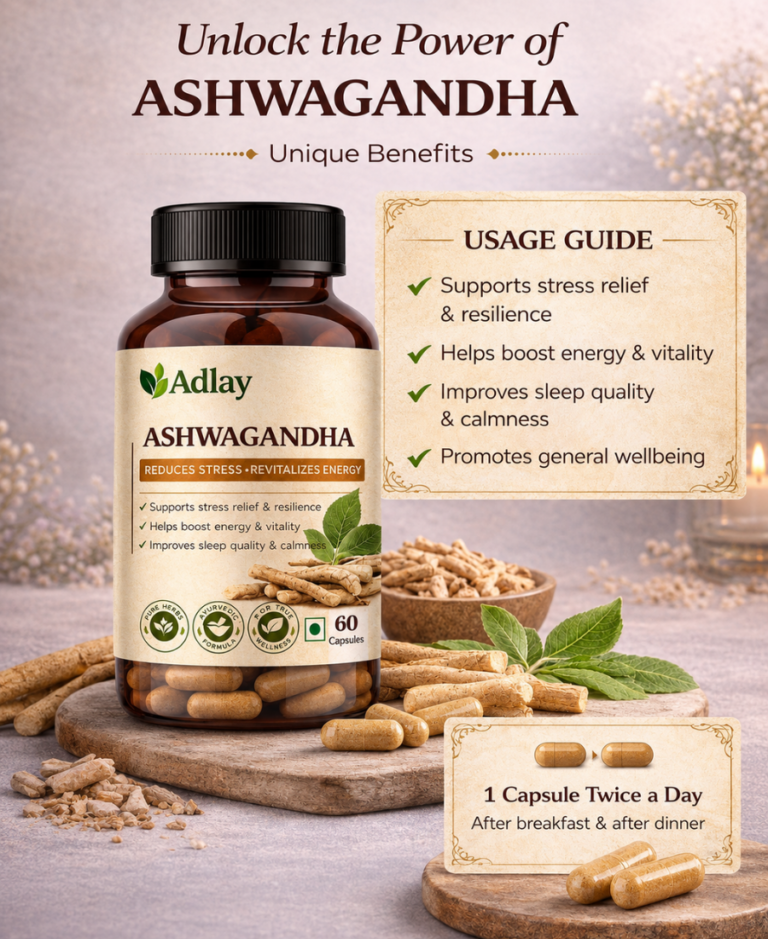
Ashwagandha | Stress Less, Live More
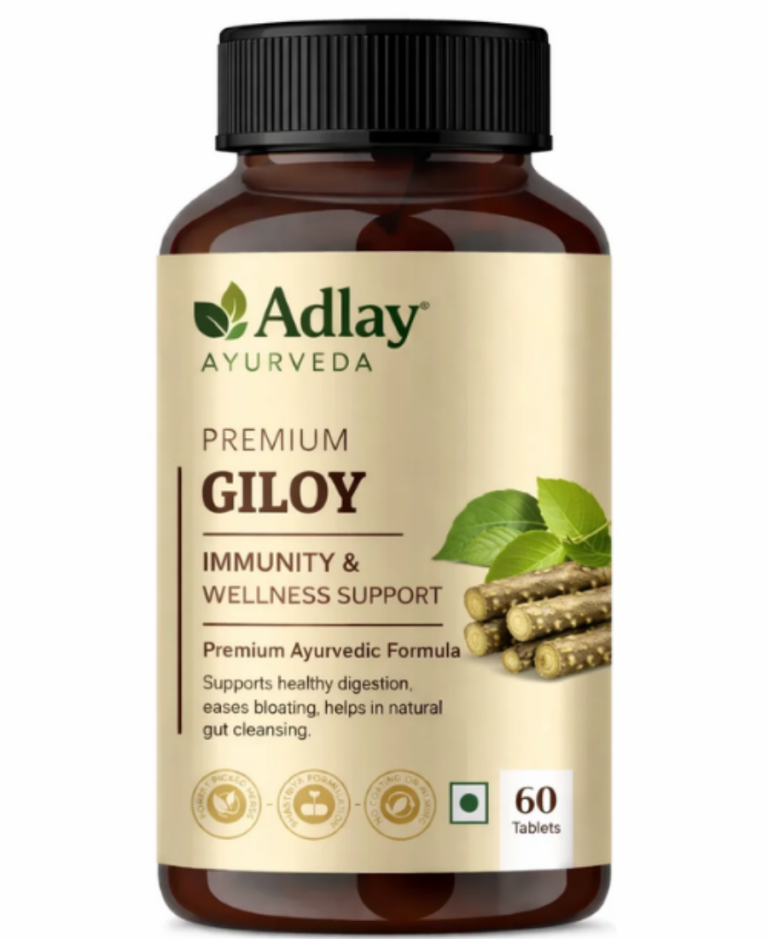
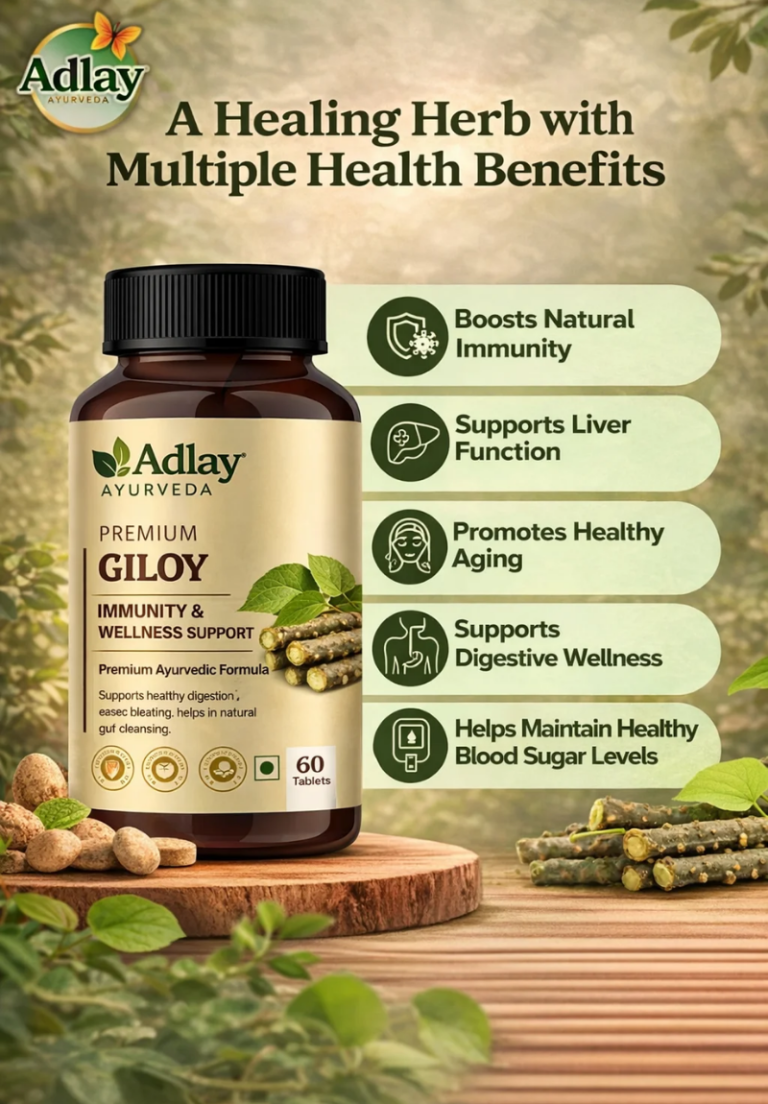
Giloy | Your Daily Immunity Shield
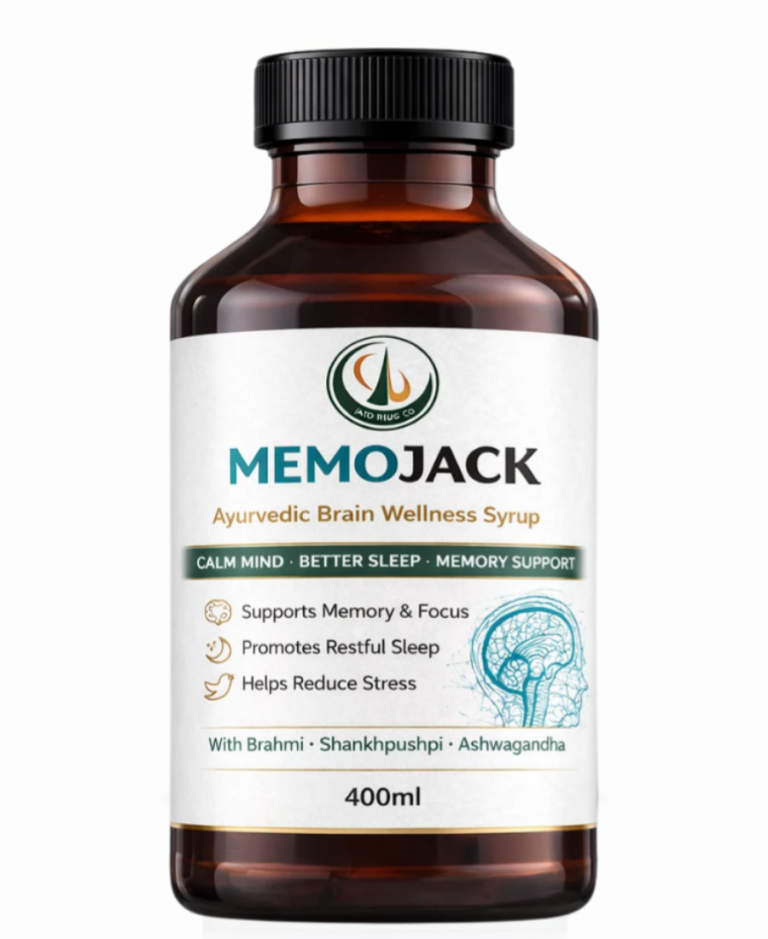
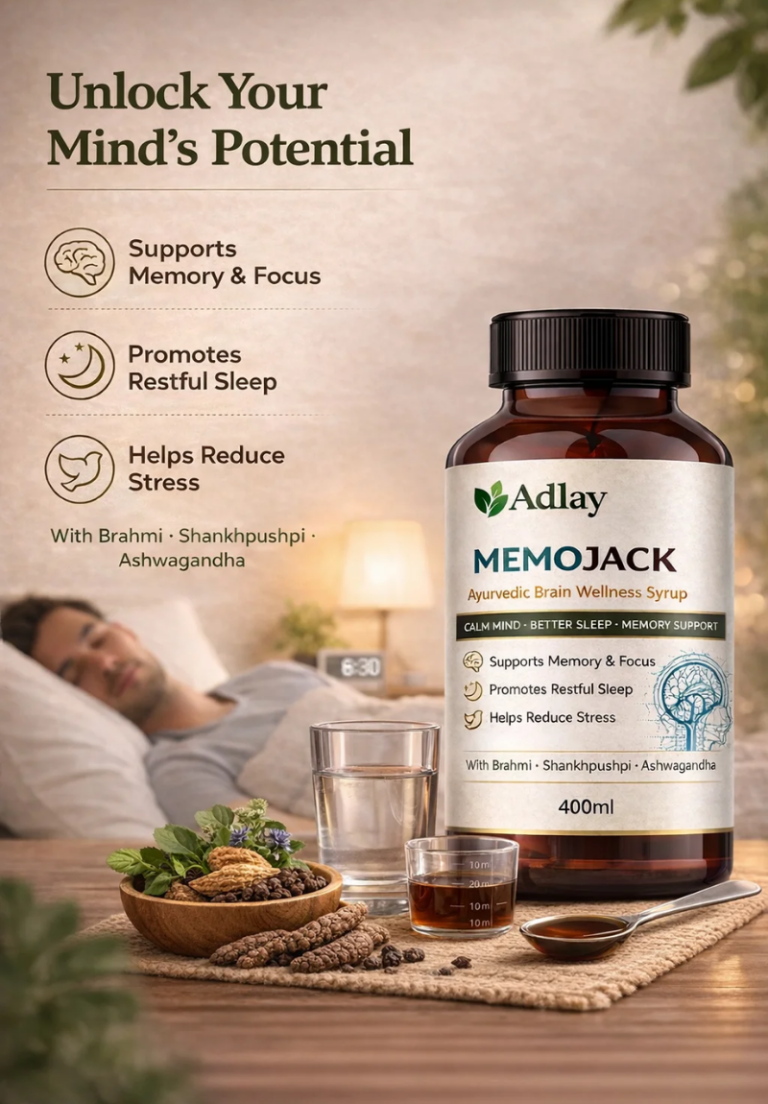
MemoJack | Calm Mind, Better Sleep
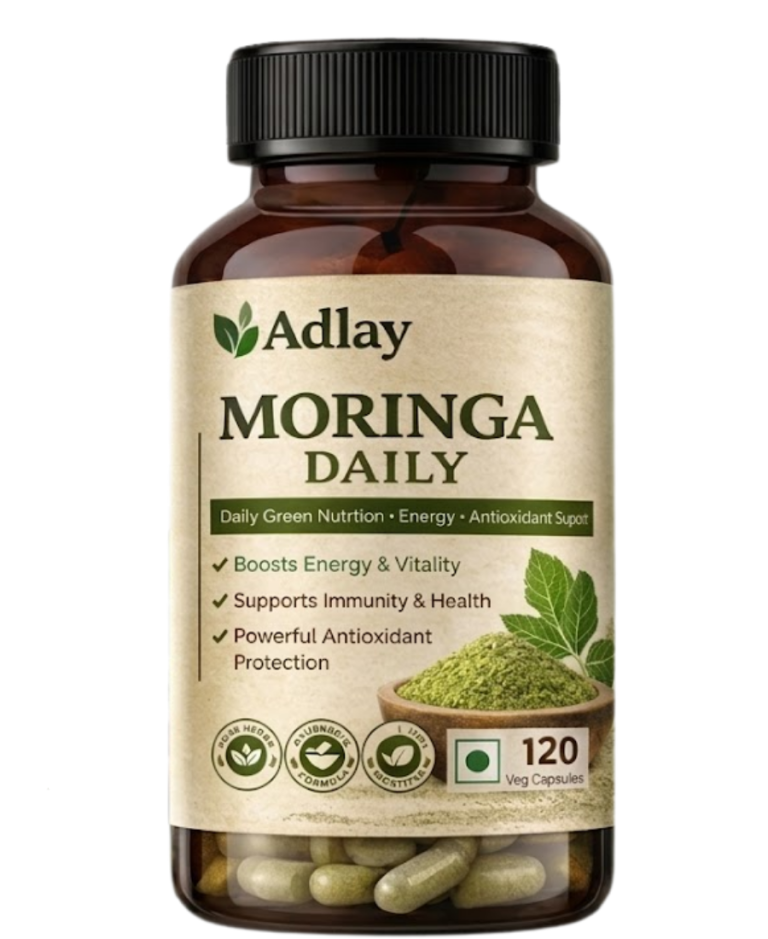
Moringa Daily | Nature’s Multivitamin
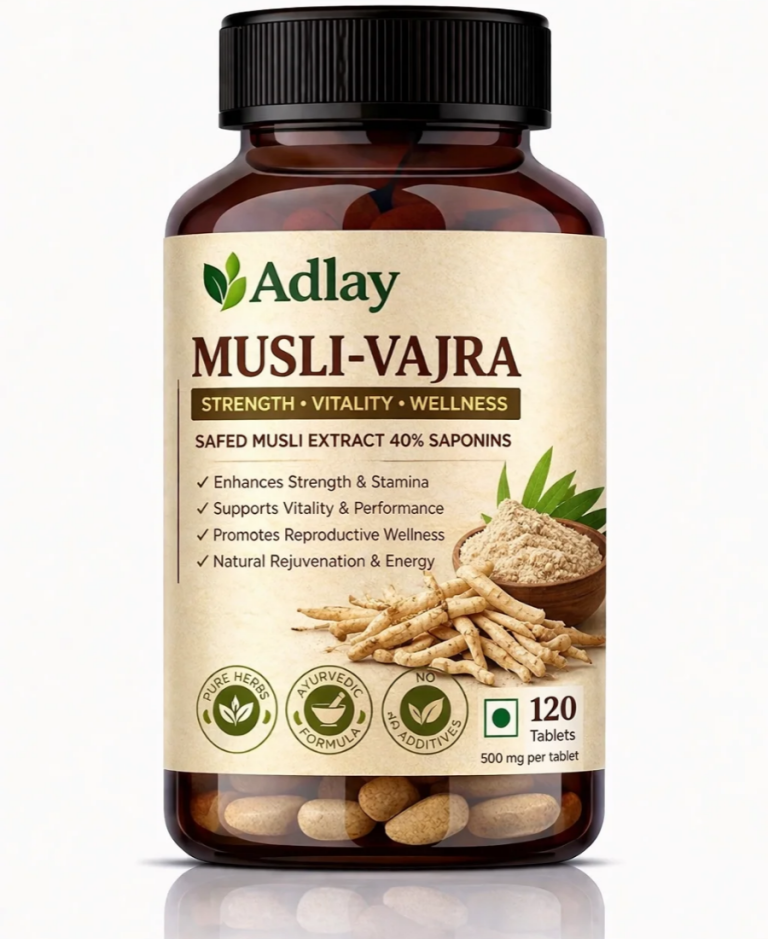
Musli Vajra | Strength & Stamina for Men
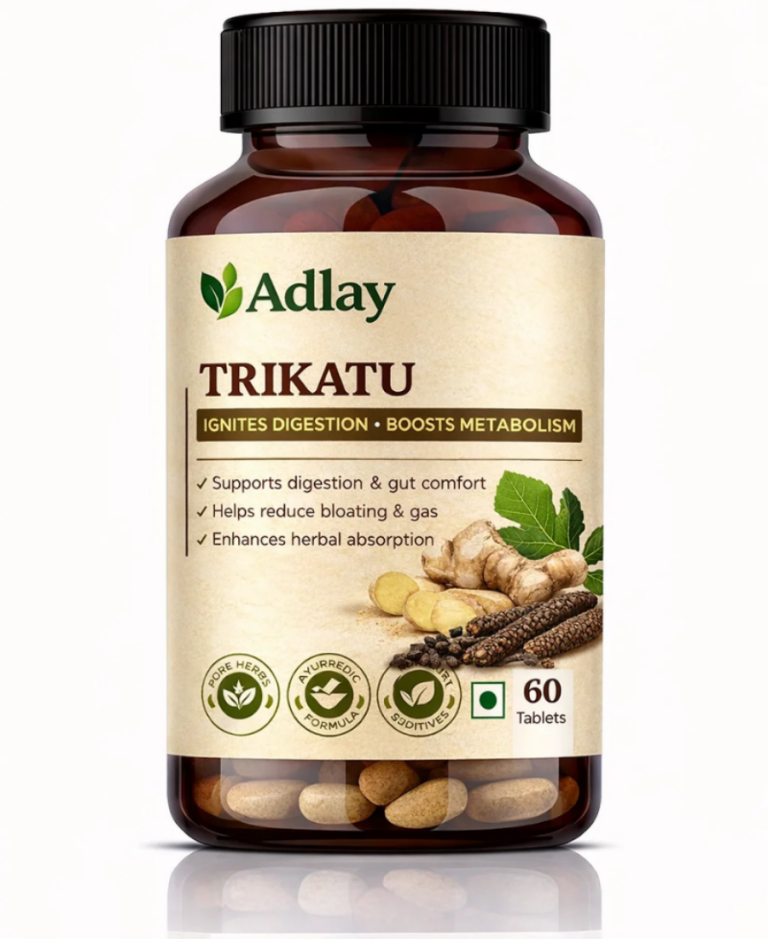
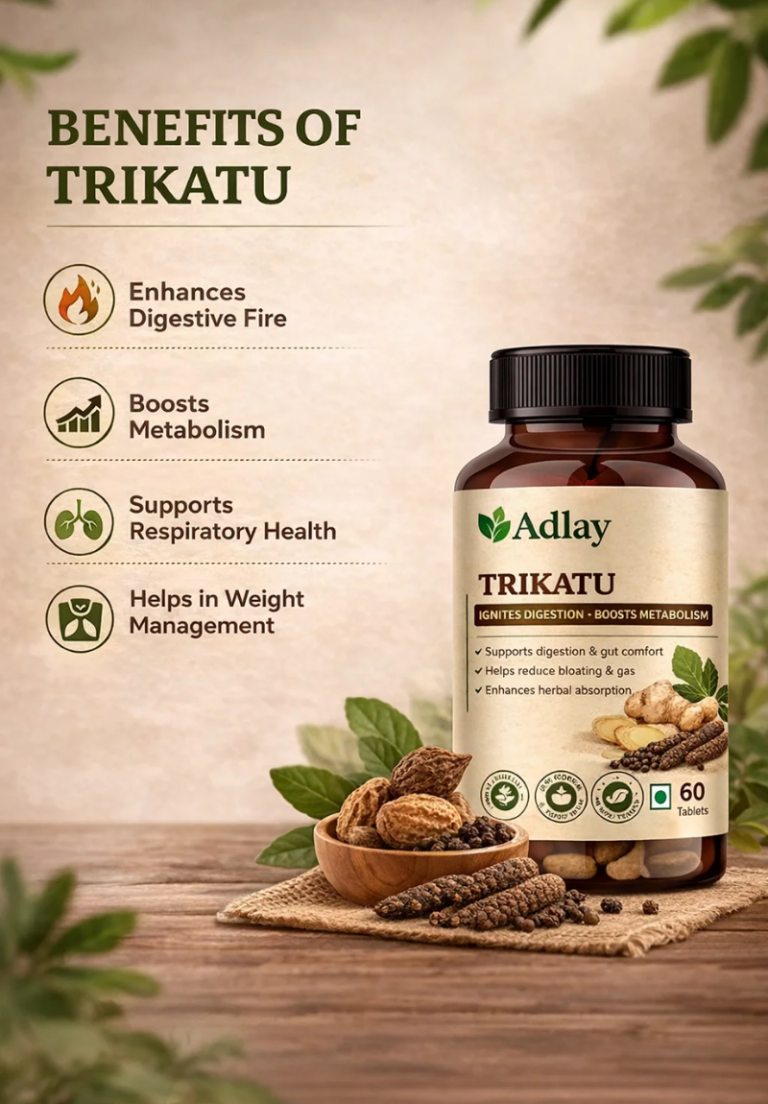
Trikatu | Ignite Your Digestive Fire
Ayurveda provides a holistic approach to health by focusing on balance, prevention, and natural healing. By following simple daily routines, using herbal formulations, and maintaining a balanced diet, individuals can improve overall wellness and lead a healthier lifestyle.
Supporting Digestive Health
Ayurvedic remedies help improve digestion, enhance nutrient absorption, and maintain gut balance. Natural ingredients work gently to support metabolism and promote long-term digestive wellness.
Boosting Natural Immunity
Herbal formulations strengthen the body’s defense system, helping it adapt to daily stress and environmental changes. Regular use supports immunity, increases energy levels, and promotes overall vitality.
Ayurveda focuses on maintaining balance within the body through natural healing and preventive care. By adopting healthy lifestyle practices, balanced nutrition, and herbal support, individuals can improve overall wellness, boost immunity, and maintain long-term health naturally.
There is no herb in the current wellness conversation that is simultaneously more discussed and more misunderstood than Ashwagandha. It has been called a testosterone booster, a sleep aid, a muscle builder, a thyroid regulator, a fertility herb, an anti-anxiety supplement, and an adaptogen. Some of these claims are well-supported. Some are exaggerated. A few are outright wrong.
At Adlay, we have been working with this herb for over three decades — long before it became a global wellness trend. We formulate it, we manufacture it, and several of us take it ourselves. This article is our attempt to give you the most honest, complete, and practically useful account of Ashwagandha available — grounded in both classical Ayurvedic scholarship and contemporary clinical research.
We will tell you what it genuinely does. We will tell you what it does not do. We will tell you who should be cautious. And we will tell you exactly how to take it for the best results.
What Classical Ayurveda Says — The Original Brief
The Charaka Samhita — written over 2,000 years ago — classifies Ashwagandha (Withania somnifera) in two specific categories that define its clinical use. First, as a Rasayana — a rejuvenating tonic prescribed to rebuild depleted tissues, extend healthy lifespan, and restore vitality after illness or exhaustion. Second, as a Vajikarana herb — one that specifically restores and enhances vitality, stamina, and reproductive health in both men and women.
The Charaka Samhita Chikitsasthana describes Ashwagandha as follows: it builds muscle and fat tissue, strengthens the body after wasting, promotes sound sleep, supports the reproductive system, and builds Ojas — the vital essence that Ayurveda considers the body's deepest reservoir of immunity and resilience. It is prescribed across the lifespan — for children who are underweight, for adults under sustained stress, and for the elderly as a general rejuvenating tonic.
Notably, the classical texts never classify it primarily as a "stress herb" — that framing is a modern one. The classical prescription is broader: it is a herb for anyone whose vital reserves have been depleted by whatever cause. Stress is one such cause. Overwork is another. Illness, poor nutrition, age, sleeplessness — all of these deplete Ojas, and Ashwagandha is the classical prescription for restoring it.
"Ashwagandha bestows the strength and vitality of a horse — hence the name. Not because it acts quickly, but because it builds something deep and lasting."
What the Research Actually Confirms — Six Evidence-Based Benefits
Ashwagandha is one of the most studied herbs in the Ayurvedic pharmacopoeia. The following six benefits are supported by multiple peer-reviewed human clinical trials — not preliminary animal studies, not single small trials, but a consistent body of evidence across independent research groups.
Who Should Take It — And Who Shouldn't
- Adults under chronic stress with elevated cortisol
- Anyone experiencing persistent fatigue despite adequate sleep
- Men with declining testosterone or physical stamina after 35
- Women in perimenopause experiencing mood and sleep disruption
- People with anxiety that has a physical, restless quality (Vata-type)
- Athletes or active adults wanting better recovery and endurance
- Anyone with a generally depleted, run-down feeling with no specific diagnosis
- People recovering from illness or a period of significant physical depletion
- Pregnant women — may cause uterine contractions
- Hyperthyroidism — Ashwagandha can stimulate thyroid hormone production
- Autoimmune conditions (lupus, MS, rheumatoid arthritis) — immune-stimulating effect may worsen these
- People on immunosuppressant medication — same reason
- Sedative medication users — additive sedation effect possible
- People on thyroid medication — may alter hormone levels and medication requirements
- Those with nightshade (Solanaceae family) sensitivity — Ashwagandha is in the same family
- Active peptic ulcer — may irritate gastric mucosa at high doses
Important note on liver safety Rare cases of herb-induced liver injury (DILI) have been reported with Ashwagandha — primarily with very high doses, non-standardised products, or prolonged use. At standard doses (300–600mg standardised extract daily) from quality-controlled, GMP-certified sources, the risk is extremely low. If you notice jaundice, dark urine, or significant abdominal discomfort while taking Ashwagandha, discontinue immediately and consult a physician.
Forms of Ashwagandha — Which Is Right for You
| Form | Withanolide % | Best for | Notes |
|---|---|---|---|
| Root powder (churna) | ~0.5–1% | Traditional use, with warm milk | Classical Ayurvedic preparation. Lower standardisation but broad spectrum of compounds. Strong taste. |
| Standard extract tablet/capsule | 2.5% | Consistent daily supplementation | Convenient, reliable dosing. Our recommendation for most adults beginning Ashwagandha. |
| KSM-66® extract | 5% | Higher potency, research-grade | Most studied patented extract. Root-only. More expensive. Backed by the largest body of clinical research. |
| Sensoril® extract | 8–10% | Stress and anxiety focus | Uses both root and leaf. Higher withanolide content. Good for stress-specific applications. |
| Syrup / liquid extract | Variable | Children, elderly, difficulty swallowing | Faster absorption but lower potency typically. Check standardisation on label. |
How to Take It — The Complete Practical Guide
Five Myths — Set Straight
What Ashwagandha Does Not Do
Honesty is the only basis for trust — so here is what Ashwagandha cannot and should not be expected to do:
It is not an antidepressant. It reduces anxiety and cortisol, which may improve mood secondarily. But clinical depression requires proper medical assessment and treatment. Ashwagandha is a complement, not a substitute.
It is not a testosterone replacement therapy. Its effect on testosterone is modest, real, and meaningful — but it is support for the body's own production, not a replacement. Men with clinically low testosterone need medical evaluation, not just an adaptogen.
It will not fix poor sleep caused by apnea, pain, or a disruptive sleep environment. If there is a structural or environmental cause for poor sleep, Ashwagandha can help around the edges but cannot address the root cause.
It is not a substitute for the lifestyle foundations. A man taking Ashwagandha while sleeping 5 hours, eating late, and never exercising will get partial benefit at best. A man who takes Ashwagandha and also fixes his sleep timing, his meal timing, and adds morning movement will get transformative results — because the herb and the rhythm work together.
The Adlay standard: Our Ashwagandha Tablets contain 500mg of standardised root extract at 2.5% withanolides — manufactured in our GMP-certified facility in Meerut. Every batch is quality-tested. We take this ourselves. We stand behind it completely.
Adlay Ashwagandha — 500mg · 60 Tablets
Standard extract, 2.5% withanolides. GMP certified. Manufactured in Meerut. Taken by our own team and trusted by our families since 1993.
View Product →Reviewed by a qualified Ayurvedic physician before publication.
